In our fast-paced lives, the concept of spaces that serve multiple functions has become increasingly appealing. With urban areas getting busier and outdoor space becoming more limited, designing gardens that work harder is not just a trend; it's a necessity. Whether you’re looking to create a tranquil retreat, a productive vegetable garden, or a lively entertainment area, multi-functional spaces can make your garden an extension of your home.
Understanding Landscape Design
What is Landscape Design?
Landscape design is the art and science of manipulating the environment to create outdoor spaces that are both functional and aesthetically pleasing. It involves planning where to place plants, trees, pathways, and structures in relation to each other.
The Importance of Landscape Design in North Carolina
When it comes to landscape design in North Carolina, the climate plays a crucial role. The state boasts diverse ecosystems ranging from coastal beaches to mountainous terrain. Understanding these local conditions is vital when creating sustainable and attractive landscapes.
Elements of Effective Landscape Design
Here are some critical elements involved in effective landscape design:
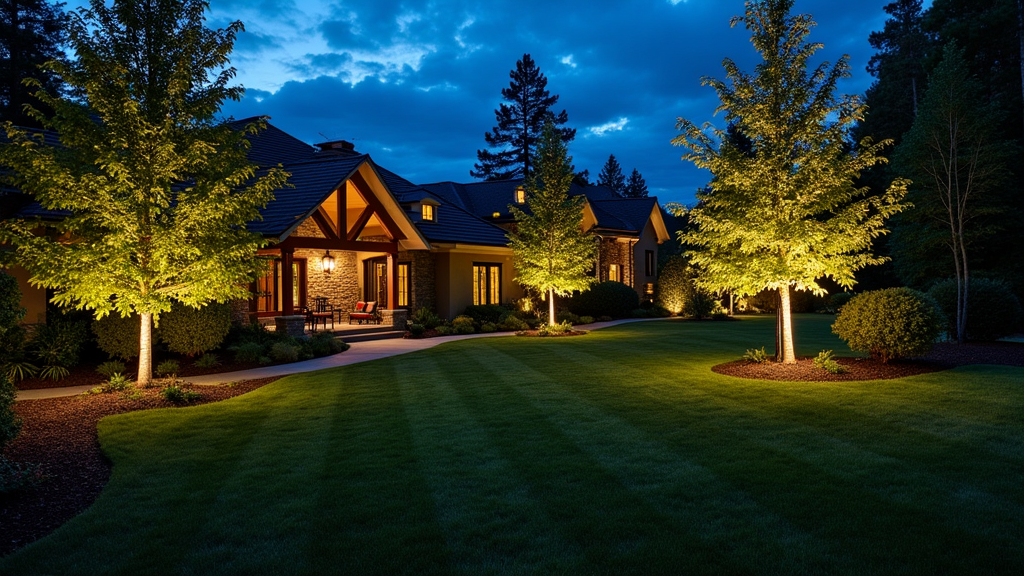
- Plant Selection: Choosing native plants that thrive in local conditions. Space Utilization: Making the most out of available space. Aesthetic Appeal: Ensuring visual harmony through colors and textures. Sustainability: Incorporating eco-friendly practices.
Designing Multi-Functional Spaces: Gardens that Work Harder
Creating gardens that serve multiple purposes requires thoughtful planning and creativity. Think about how you use your space daily and what activities you enjoy. This approach helps tailor your garden to meet those needs while beautifying your environment.
Identifying Your Needs
Before diving into design, take stock of how you envision using your garden:
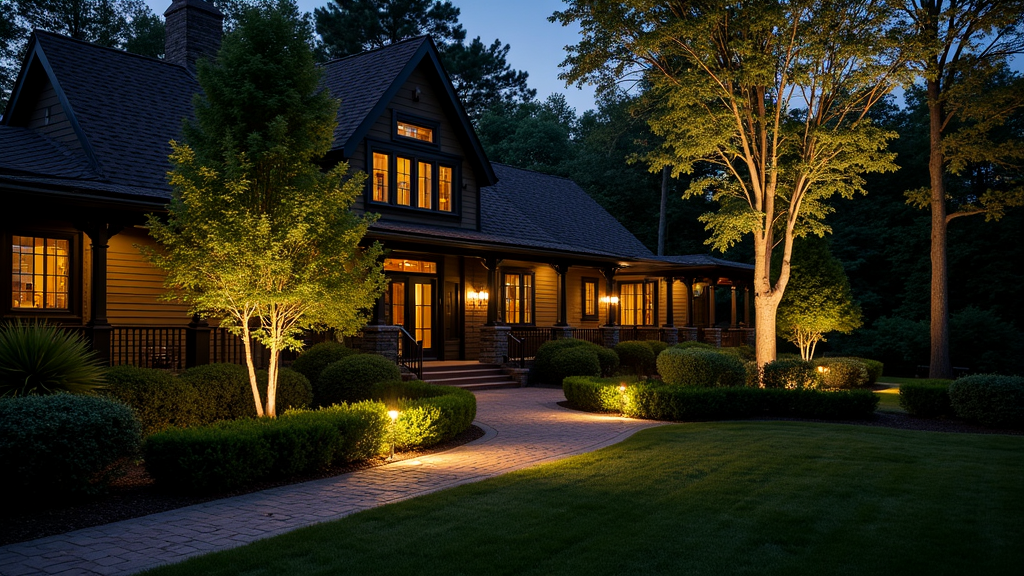
- Do you need a play area for kids? Are you interested in growing vegetables or herbs? Would you like an outdoor dining space?
Answering these questions will help guide your design process.
Creating Zones within Your Garden
One effective way to achieve multi-functionality is by creating distinct zones within your garden:
Relaxation Zone: A quiet nook with comfortable seating or hammocks. Dining Area: A patio with tables and chairs for alfresco meals. Play Area: Dedicated space equipped with toys or climbing structures for children. Vegetable Garden: Raised beds or containers for growing fresh produce. Wildlife Haven: Areas designed with native plants that attract birds and butterflies.Choosing Plants for Multi-Functional Spaces
Native Plants vs. Exotic Species
While exotic species may look appealing, native plants have several advantages:
- They require less maintenance. They are better adapted to the local climate.
Consider incorporating both native and non-invasive exotic plants for diversity without compromising sustainability.
Edible Landscaping
Imagine stepping outside into your garden and picking fresh tomatoes or herbs for dinner! Edible landscaping integrates fruits, vegetables, and herbs into ornamental designs without compromising aesthetics.
Incorporating Water Features for Functionality
Benefits of Water Features
Water features can serve multiple purposes:
- They enhance beauty through sound and sight. They provide habitats for wildlife.
Whether it's a small pond or a bubbling fountain, integrating water into your design adds tranquility while elevating aesthetics.
Design Considerations for Water Features
When planning water features:
- Ensure they're accessible but safe. Consider maintenance requirements such as filtration systems.
Outdoor Living Spaces: Extending Your Home Outdoors
The Allure of Outdoor Kitchens
An outdoor kitchen transforms meal preparation into a social event! Imagine barbecuing with friends while enjoying natural surroundings—this feature encourages family bonding while maximizing usability.
Fire Pits as Gathering Spots
Adding a fire pit creates warmth on cool evenings while providing an inviting gathering spot for friends and family.
Sustainable Practices in Landscape Design
Rain Gardens: Nature's Way of Managing Water Runoff
Rain gardens are designed to absorb rainwater https://sergiowsft322.mystrikingly.com/ runoff from impervious surfaces like driveways. They serve dual purposes by beautifying landscapes while mitigating flooding issues.
Composting Areas for Organic Waste Management
Integrate compost bins into your garden design to recycle organic waste efficiently while enriching soil quality—an excellent way to make your garden even more productive!
Choosing Accessories Wisely
Furniture That Lasts
Selecting durable outdoor furniture ensures longevity against weather elements while enhancing comfort when entertaining guests outdoors.
Lighting Options
Proper lighting extends the usability of outdoor spaces into the evening hours! Consider solar-powered lights along pathways or string lights over dining areas for ambiance without high energy costs!
Maintenance Tips for Multi-Functional Gardens
Maintaining multi-functional gardens requires strategic planning:
Schedule regular watering based on seasonal needs. Prune plants regularly for health & shape retention! Implement integrated pest management (IPM) strategies instead of relying solely on chemical pesticides! Rotate crops in vegetable areas annually!FAQs about Designing Multi-Functional Spaces
How do I start designing my multi-functional garden?
- Begin by identifying how you want to use your space; consider activities such as relaxation or gardening!
- Opt mainly for native plants alongside some colorful non-invasive exotics if desired!
- Create routines based on plant types; generally aim at spending at least 1–2 hours weekly during peak growth seasons!
- Focus first on establishing zones like vegetable patches & relaxation spots before developing additional features like water elements!
- Absolutely! Automated irrigation systems & smart lighting can make managing these multifunctional areas easier than ever!
- Costs vary widely depending on desired materials & scale; consulting professionals can help create realistic estimates tailored specifically towards your goals!
Conclusion
Designing multi-functional spaces means embracing creativity while maximizing utility across various activities within a single footprint! By prioritizing sustainable practices alongside aesthetic appeal—your newly crafted oasis will surely inspire joy throughout every season ahead! So why wait any longer? Dive right into “Designing Multi-Functional Spaces: Gardens that Work Harder,” unleashing boundless potential hidden within those green thumbs today!